Nomadic Real Estate and Lasting Tourism
Traveling has actually constantly been connected to motion, yet an expanding variety of individuals are asking whether the locations we stay while traveling can move also. Nomadic real estate, from transformed vans and small homes on wheels to modular vessels and yurts, is reshaping exactly how travelers experience destinations while lowering the ecological impact that standard friendliness commonly leaves. As lasting tourism becomes less of a niche passion and even more of an expectation, nomadic housing supplies a sensible and thoughtful solution to the question of just how we can take a trip without completely modifying the landscapes we check out.
What Is Nomadic Housing?
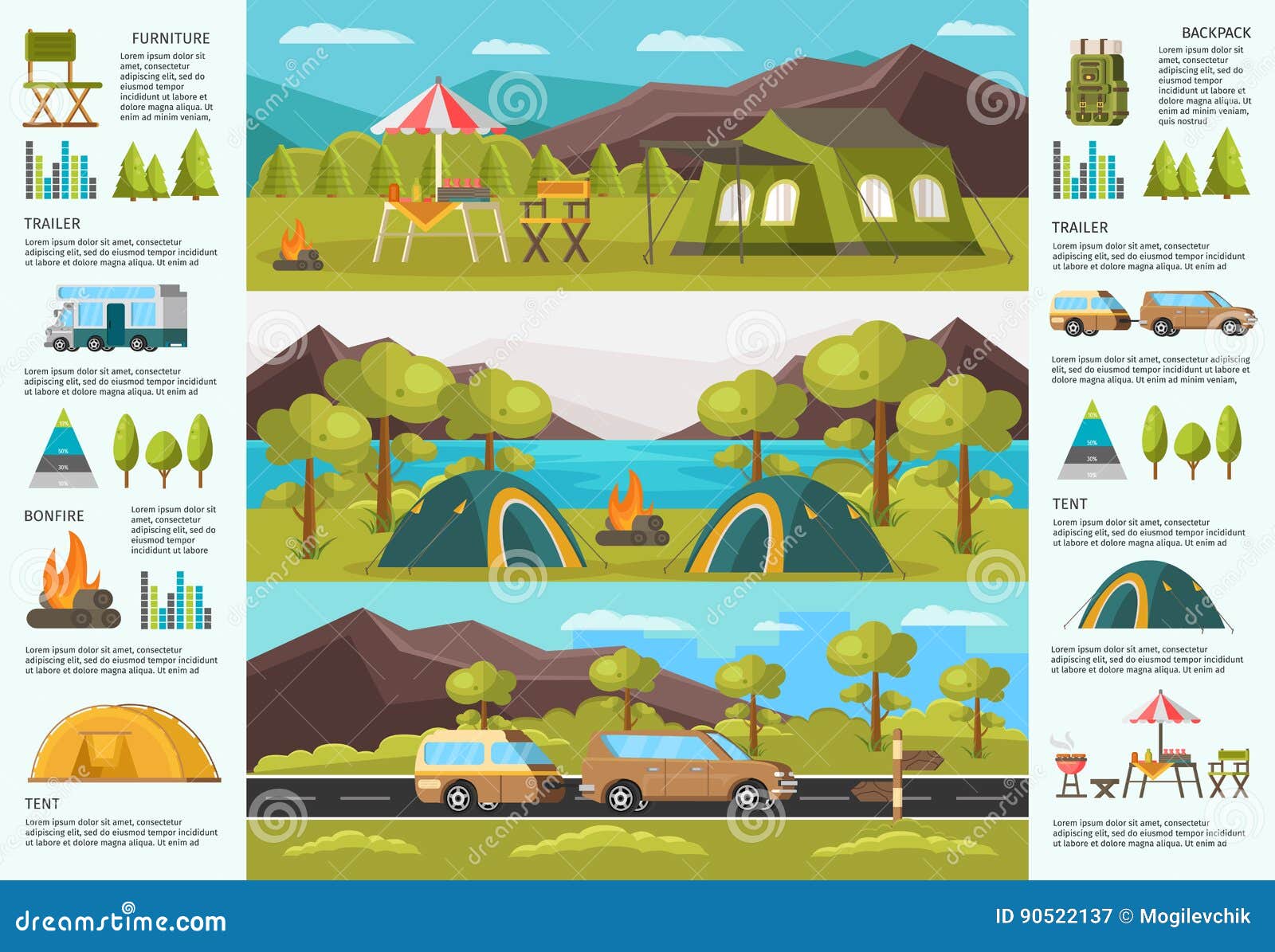
Nomadic real estate describes living structures created for movement instead of permanence. This includes camper vans, tiny houses improved trailers, geodesic domes, yurts, and even inflatable or collapsible pod frameworks that can be set up and dismantled with marginal interruption to the land below them. Unlike hotels or resorts, which require substantial construction, land cleaning, and ongoing infrastructure, nomadic real estate is developed around the idea of leaving a light impact. Most of these frameworks are likewise off-grid capable, relying on solar energy, composting toilets, and rainwater collection systems, which minimizes their reliance on local energy networks that can currently be stressed in popular vacationer areas.
Why Lasting Tourism Demands Flexible Solutions
Mass tourist has a well-documented tendency to bewilder the destinations it enjoys. Coastal towns encounter erosion from overdevelopment, mountain areas lose native plant life to give way for lodges, and historical city centers are burrowed by short-term services. Lasting tourist looks for to counter this by encouraging travel that sustains local economic situations and environments without depleting them. Nomadic real estate fits naturally into this goal due to the fact that it does not call for irreversible land conversion. A cluster of mobile cabins can host visitors throughout peak period and be relocated or eliminated when demand goes down, permitting land to rest and recoup instead of remaining completely built on.
The Environmental Case for Mobile Stays
The ecological benefits of nomadic real estate go beyond merely avoiding permanent building. Mobile and modular units are commonly developed with lighter products, which reduces the carbon impact of transport and manufacturing. Since these frameworks are compact, they also often tend to make use of much less power for heating & cooling, and numerous are specifically designed to maximize all-natural light and air flow.
Decreasing Land Disturbance
Typical resort growth often involves grading land, pouring concrete structures, and installing comprehensive pipes and electrical systems that permanently alter local environments. Nomadic frameworks, by comparison, can be positioned on existing surface areas or marginal systems, leaving soil, root systems, and water drainage patterns mostly intact. This is specifically useful in breakable atmospheres like deserts, marshes, and alpine areas, where recuperation from building and construction damages can take years.
Supporting Round Source Usage
Lots of nomadic housing layouts include round source concepts, consisting of greywater recycling, solar energy storage, and composting systems. Because these devices are self-supporting, they urge both building contractors and vacationers to believe very carefully regarding source usage in ways that a connected hotel room, with its unlimited water and electricity, hardly ever needs.
Economic and Cultural Advantages for Local Areas
Sustainable tourist is not just regarding ecological influence; it is also concerning making sure that tourism revenue advantages neighborhood neighborhoods rather than remote firms. Nomadic housing versions commonly lend themselves to small-scale, locally possessed procedures. A family with a couple of acres of land can hold mobile cabins or yurts without needing the resources required to develop a full hotel, which keeps tourism revenue within the community as opposed to funneling it to big friendliness chains.
Encouraging Slower, A Lot More Intentional Travel
There is additionally a cultural shift taking place together with the physical one. Nomadic real estate tends to bring in travelers thinking about slower, a lot more willful glamp tent experiences rather than the transactional nature of normal resort keeps. Guests who select a converted van website or an off-grid covering are often drawn by interest concerning local communities, food systems, and practices, which can translate into much deeper involvement with the communities they go to.
Difficulties Encountering Nomadic Real Estate
Despite its guarantee, nomadic housing is not without challenges. Zoning regulations in many regions were written with long-term frameworks in mind and have actually not overtaken mobile or modular real estate concepts. Accessibility to reputable off-grid infrastructure, particularly water and waste administration, can also be a restricting factor in remote places. Additionally, as nomadic holiday accommodations come to be more prominent, there is a risk that they could be scaled up in manner ins which replicate the very overdevelopment they were meant to stay clear of, specifically if huge firms go into the space totally for profit rather than sustainability.
Looking Ahead
Nomadic real estate will certainly not change traditional friendliness, neither needs to it attempt to. Instead, it stands for one tool among lots of for developing an extra lasting tourist industry, one that deals with land as something to be appreciated rather than permanently declared. As more vacationers seek significant, low-impact experiences, and as more areas try to find tourist designs that protect rather than diminish their resources, nomadic real estate is most likely to relocate from a particular niche fad right into a conventional part of exactly how we consider travel altogether.